
Enhance Skills Through Interactive Simulation & Training Games

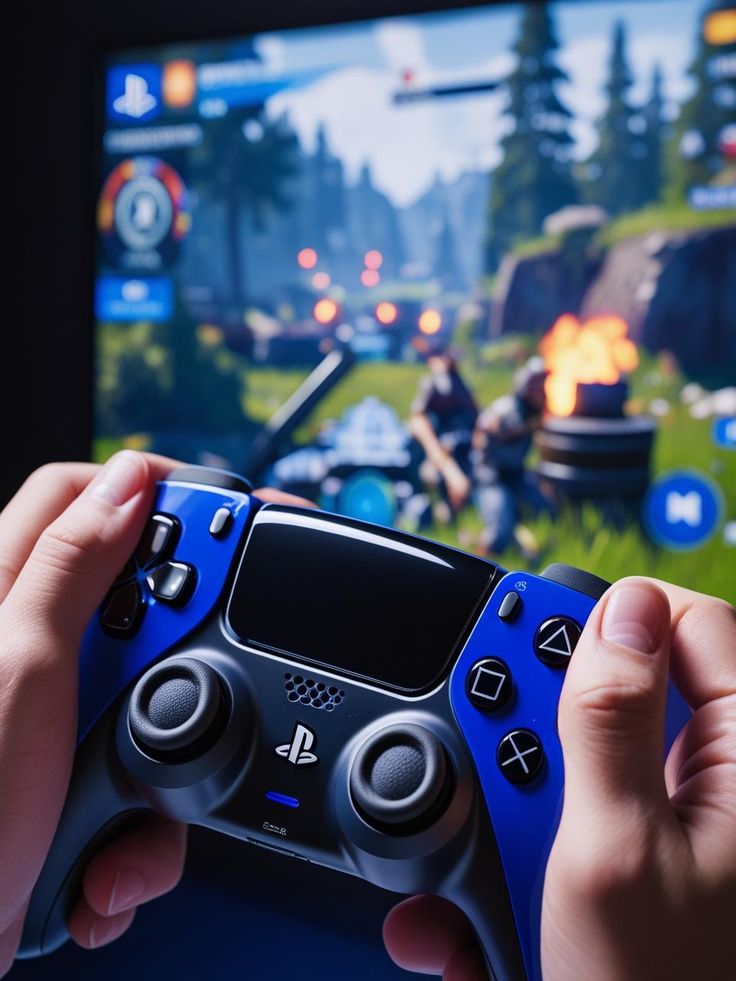

Simulation and training game development focuses on creating immersive virtual environments that help individuals and organizations practice skills and scenarios safely and effectively. These games combine realistic simulations with interactive challenges to replicate real-world processes and tasks. Trainees can learn operational procedures, safety protocols, and decision-making strategies without the risks of real-world errors. Real-time feedback and performance analytics help track progress and identify areas for improvement. Adaptive scenarios adjust complexity according to the trainee’s skill level, ensuring optimal learning. Multiplayer and collaborative features allow team-based training exercises to improve communication and coordination. Virtual labs, equipment simulations, and scenario-based challenges provide hands-on experiences that enhance understanding and retention. Gamified elements such as scoring, achievements, and progress tracking motivate continuous engagement. Integration with learning management systems (LMS) allows supervisors to monitor and assess training outcomes efficiently. Mobile and desktop compatibility enables flexible access to training programs anytime and anywhere. Data-driven insights help optimize content and training methodologies. Visual, auditory, and interactive elements increase immersion and engagement. Scenario branching and decision-making exercises simulate complex real-world situations for skill development. Customizable modules ensure relevance across industries including healthcare, defense, aviation, manufacturing, and corporate sectors. Cloud-based platforms allow synchronization of training data and continuous updates. AR/VR integration enhances realism and experiential learning. Safe virtual environments reduce operational risks while allowing repeated practice. Employees and learners gain confidence through repeated simulation of challenging scenarios. In-game hints, tutorials, and guided exercises reinforce learning objectives. Scalable architecture supports the addition of new modules and training content over time. Secure platforms protect sensitive organizational and learner data. Scenario replay and review functionalities allow reflection and knowledge consolidation. Simulation and training games improve overall competency, reduce training costs, and accelerate skill acquisition for modern enterprises.